
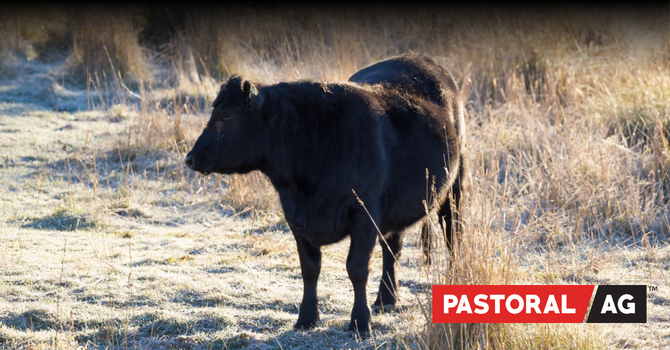
Winter performance is often determined well before conditions tighten.
As pasture quality declines and energy demand increases, cattle can begin to lose condition quickly if not managed early. While feed availability is a key part of the picture, it’s not the only factor influencing how animals perform through the colder months.
Condition, nutrition and trace mineral status all play a role — and the impacts aren’t always immediately obvious.
Preparation matters
Cattle heading into winter in lighter condition are more vulnerable to production losses, slower growth and reduced reproductive performance.
For breeders, this can affect conception rates and recovery post-calving. For growing cattle, it can mean setbacks that take time — and cost — to recover from.
By the time condition visibly declines, it can be difficult to regain ground. That’s why early preparation is key.
Pasture quality and intake
As temperatures drop, pasture growth slows and feed quality typically declines. Even where feed appears adequate, it may not meet the nutritional requirements of the animal.
Energy and protein are often the primary focus, but trace minerals can also become limiting — particularly in systems where pasture composition or seasonal conditions reduce availability.
The role of trace minerals
Trace minerals such as zinc, copper, manganese and selenium are involved in a range of biological functions, including immune response, reproduction and metabolic processes.
Deficiencies are not always obvious. In many cases, they are subclinical — meaning animals may appear normal but are not performing at their full potential.
These hidden gaps can become more significant during periods of increased demand, such as pregnancy, lactation or growth, and during seasonal transitions like the lead into winter.
Key times
The lead-up to winter is a useful time to review cattle health and nutrition, particularly for:
• Weaners and growing cattle
• Pregnant and lactating cows
• Cattle under environmental or nutritional stress
Taking a proactive approach can help maintain condition and support performance through the colder months.
Supporting cattle through seasonal change
Managing cattle through winter is rarely about a single input. It’s a combination of feed planning, monitoring condition and addressing any nutritional gaps before they become limiting.
Where trace mineral status may be a factor, targeted supplementation can play a role alongside broader nutrition strategies.
Products such as Acti-Trace and Acti-Trace with B12 provide a convenient option for delivering essential trace minerals and Vitamin B12 during key production stages or periods of increased demand.
Winter brings its challenges, but the impact on cattle performance is largely shaped by decisions made in the lead-up.
By focusing on condition, nutrition and trace mineral status early, producers can better position their cattle to maintain performance and recover more effectively when conditions improve.
