Lucy Marshall

Could Cattle Lice Be Costing You More Than You Think?

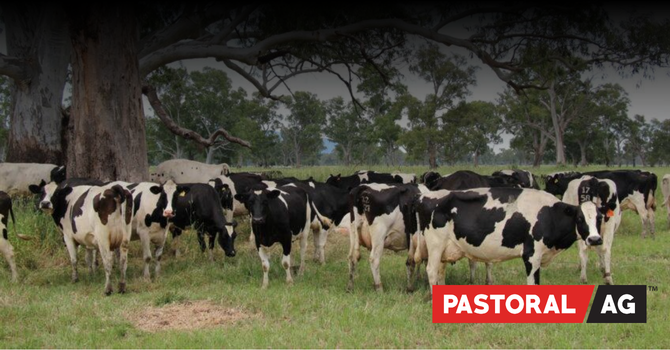
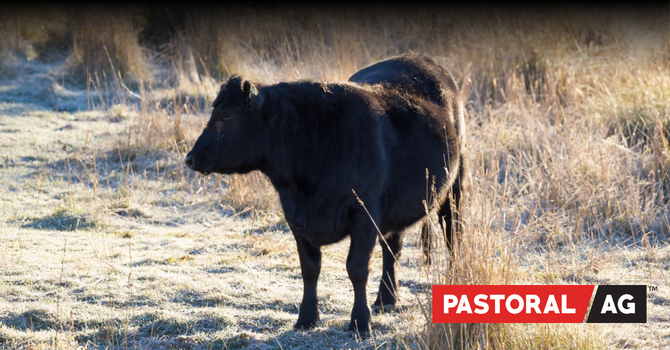
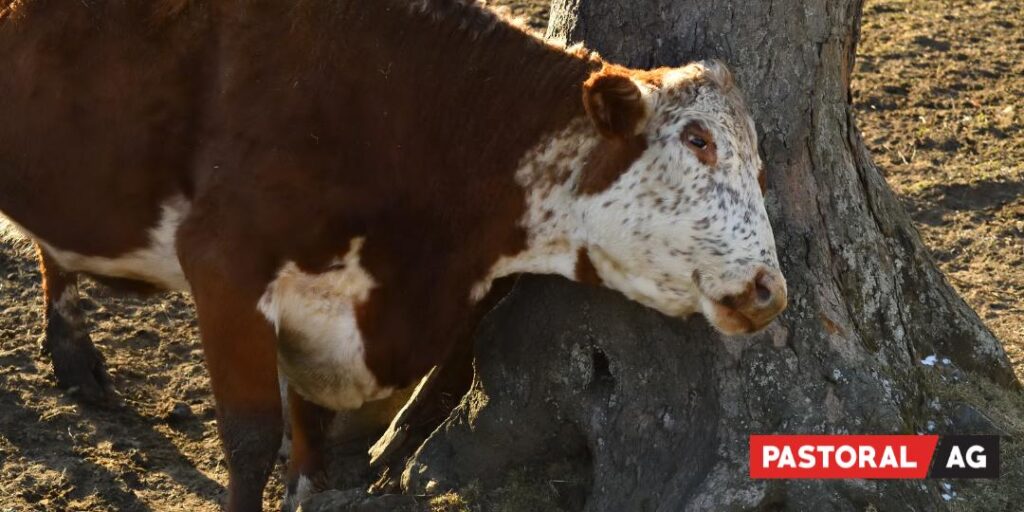
Feed is expensive, and every kilogram counts through winter. When cattle aren’t performing as expected, nutrition often takes centre stage. However, external parasites such as cattle lice can quietly reduce productivity without causing obvious illness. Winter provides ideal conditions for cattle lice. Longer coat length and closer contact between animals allow lice populations to build, […]

Could Cattle Lice Be Costing You More Than You Think? Read More »
Injection or Pour-On? Choosing the Right Tool for the Job

There is no single parasite management program that suits every herd. Rainfall, stocking density, grazing systems, cattle class, pasture management and previous parasite history all influence parasite risk. The most effective programs are tailored to the operation rather than following the same routine year after year. Effective parasite management starts with understanding what you’re trying

Injection or Pour-On? Choosing the Right Tool for the Job Read More »

Seeing More Rubbing This Winter? It Could Be Lice

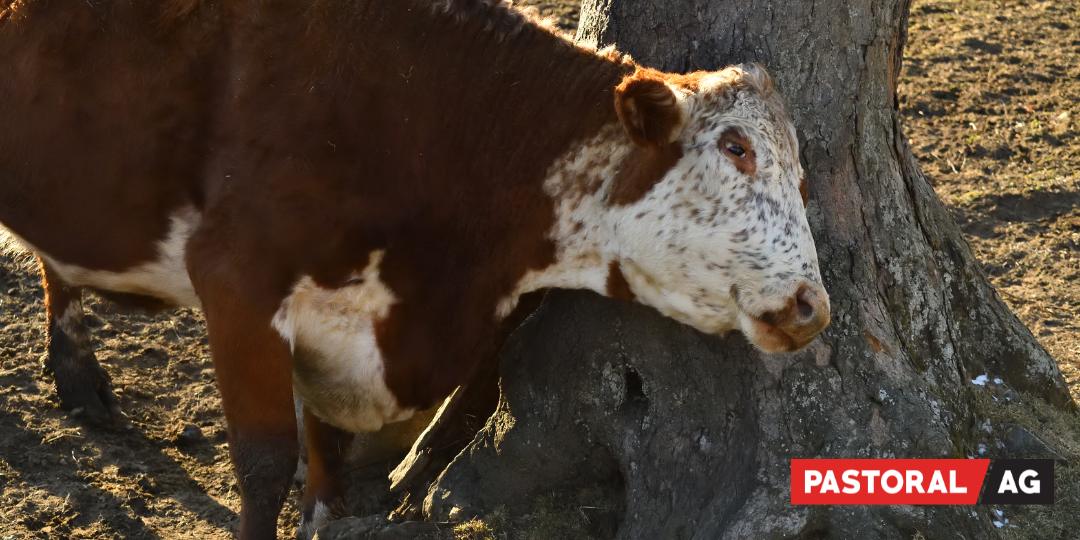
Winter is often when lice activity becomes more noticeable in sheep. Rubbing, wool damage and irritation can all become more obvious as stock carry heavier fleeces through cooler conditions. While lice may not always cause dramatic illness, they can still impact comfort, condition and overall productivity if left unmanaged. Why lice become more noticeable in

Seeing More Rubbing This Winter? It Could Be Lice Read More »

Winter Worming in Sheep – Why Timing Matters

As temperatures drop, it can be easy to assume parasite pressure slows down completely through winter. But while seasonal conditions change, internal parasites can still impact feed conversion, condition and overall production performance, particularly in young stock or higher challenge environments. Winter worming is not just about treating parasites. It is about protecting performance during

Winter Worming in Sheep – Why Timing Matters Read More »

Preparing For Winter

As we head into the colder months, it’s a good time to review how cattle are set up for the season ahead. This month’s content focuses on key areas including preparing cattle for winter, managing the drying off period, and understanding when trace mineral and Vitamin B12 support may be beneficial. Read more in our

Preparing For Winter Read More »

Preparing Cattle for Winter: What to Focus on Now

Winter performance is often determined well before conditions tighten. As pasture quality declines and energy demand increases, cattle can begin to lose condition quickly if not managed early. While feed availability is a key part of the picture, it’s not the only factor influencing how animals perform through the colder months. Condition, nutrition and trace

Preparing Cattle for Winter: What to Focus on Now Read More »

Liver Fluke in Livestock – Seasonal Risk and Treatment Timing

Liver fluke is one of the more complex and often overlooked parasite challenges in livestock. In the right conditions, infections can build over time and impact animal performance before obvious signs appear. For producers in higher rainfall or irrigated areas, understanding fluke risk is critical. Unlike many gastrointestinal worms, liver fluke has a more complex

Liver Fluke in Livestock – Seasonal Risk and Treatment Timing Read More »

THE POWER OF 3 – TRIPLE ACTIVE DRENCHES

Across Australia, internal parasite control in both sheep and cattle is changing. The shift toward triple-active (“3-way”) drenches is not driven by marketing or fashion, but by necessity. On many properties, single- and dual-active drenches no longer provide reliable or predictable control. Anthelmintic resistance is now well established in sheep parasites and is increasingly recognised

THE POWER OF 3 – TRIPLE ACTIVE DRENCHES Read More »